
Ultimate Arusha National Park Safari 2026: Emerald Gem
Did you know that Arusha National Park, often overshadowed by its more famous neighbors like the Serengeti and Kilimanjaro, is home to the world's largest population of giraffes? In 2026, this vibrant park continues to offer an unparalleled blend of diverse ecosystems, abundant wildlife, and breathtaking landscapes, making it a must-visit destination for any traveler seeking an authentic Tanzanian safari experience. From the shimmering waters of its alkaline lakes to the lush slopes of Mount Meru, Arusha National Park is a sanctuary of natural beauty and a haven for a remarkable array of flora and fauna.
This emerald gem, nestled just a short drive from Arusha city, provides a unique and accessible safari adventure. Unlike many other parks, Arusha National Park is renowned for its walking safaris, offering an intimate encounter with nature that is simply not possible in most other protected areas in Tanzania. The park's relatively small size belies its incredible biodiversity, encompassing a range of habitats that support a surprising variety of wildlife. Whether you are a seasoned wildlife enthusiast or a first-time visitor to Africa, Arusha National Park promises an unforgettable journey into the heart of Tanzania's natural wonders.
A Mosaic of Ecosystems: The Diverse Landscapes of Arusha National Park
Arusha National Park is a testament to nature's artistry, boasting a remarkable diversity of landscapes packed into its modest 137 square kilometers. This compact size is deceptive, as it encompasses several distinct ecological zones, each with its own unique character and inhabitants. The park is essentially divided into three main areas, each offering a different safari experience: the Momella Lakes, the Ngurdoto Crater, and the Mount Meru slopes.
The Shimmering Momella Lakes
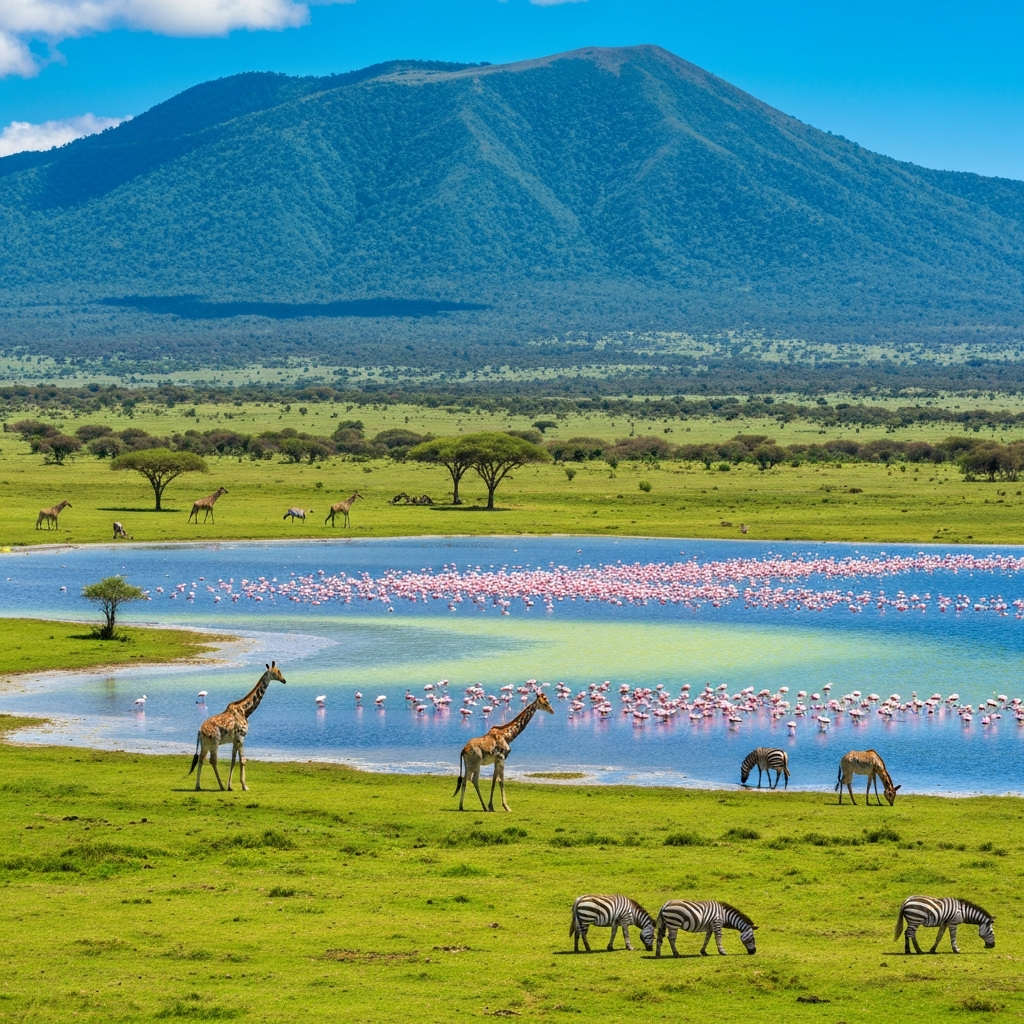
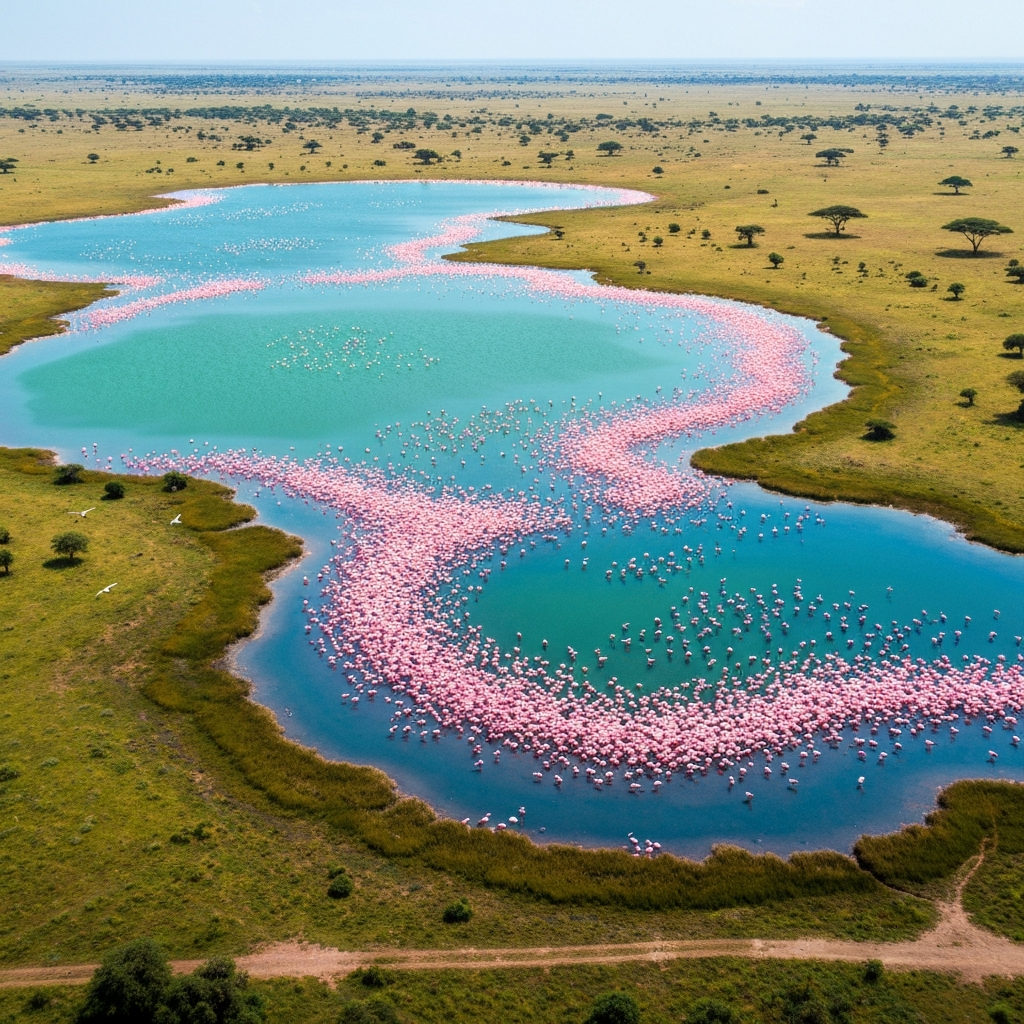
The Momella Lakes are a series of seven shallow alkaline lakes, each with its own distinctive color, ranging from vibrant blues and greens to milky whites. These lakes are a magnet for birdlife, particularly water birds. During the wet seasons, the shores teem with thousands of flamingos, creating a spectacular pink spectacle against the azure backdrop. Other water birds, such as grebes, herons, and various duck species, are also commonly seen. The alkaline nature of the water supports specific types of algae and plankton, which in turn attract these avian visitors.
Beyond the birds, the Momella Lakes are also a favored haunt for larger mammals. Herds of zebras, wildebeest, and buffalo can often be seen grazing on the grassy plains surrounding the lakes. Giraffes, with their elegant silhouettes, are a common sight, browsing on the acacia trees that dot the landscape. The shallow waters provide a vital source of hydration and nutrients for these animals, making the lakes a central hub of activity within the park. The open plains around the Momella Lakes are also ideal for game viewing, offering wide-ranging vistas and excellent photographic opportunities.
The Majestic Ngurdoto Crater
To the south of the Momella Lakes lies the Ngurdoto Crater, a breathtaking volcanic caldera that plunges some 300 meters deep. The crater floor, a verdant expanse of grassland surrounded by steep, forested cliffs, functions as a natural enclosure for a rich variety of wildlife. The rim of the crater offers spectacular viewpoints from which visitors can survey the scene below. While direct access to the crater floor is restricted to protect the delicate ecosystem, game drives along the rim provide excellent opportunities to observe the animals within.
Inside the Ngurdoto Crater, visitors can expect to see herds of elephants, buffalo, warthogs, and various antelope species, including dik-diks and waterbucks. The dense vegetation within the crater also provides habitat for smaller mammals and a surprising number of predators, though sightings are less common due to the terrain. The steep walls of the crater mean that animals are often seen congregating in the open spaces on the floor, making them visible from the viewpoints above. The Ngurdoto Crater is a microcosm of the park's biodiversity, showcasing how different habitats can support a thriving wildlife population.
The Slopes of Mount Meru
Dominating the western side of the park are the majestic slopes of Mount Meru, a dormant volcano that stands at 4,566 meters (14,980 feet) above sea level. Mount Meru is the second-highest peak in Tanzania, after Kilimanjaro, and its lower slopes are encompassed within Arusha National Park. This region offers a dramatically different environment from the lakes and the crater, characterized by montane forest, heathland, and alpine desert.
The forests that cloak the lower slopes of Mount Meru are incredibly rich in biodiversity. These areas are home to a variety of primates, including colobus monkeys and Sykes' monkeys, which can often be seen leaping through the canopy. Birdlife is also abundant, with numerous endemic and migratory species found in these lush woodlands. For the adventurous, Mount Meru offers incredible hiking opportunities. Guided treks can take visitors through the forest, past waterfalls, and up to stunning viewpoints, offering a unique perspective on the park's natural beauty. The higher reaches of the mountain, above the treeline, present a starkly different, almost lunar landscape, challenging hikers with their rugged terrain.
Wildlife Encounters: A Rich Tapestry of Fauna
Arusha National Park, despite its size, punches well above its weight in terms of wildlife diversity. While it may not boast the sheer numbers of wildebeest found in the Serengeti during the great migration, it offers a more intimate and varied wildlife viewing experience. The park is particularly known for its large giraffe population, with the Masai giraffe subspecies being a common and iconic sight.
Mammal Marvels
Beyond the ubiquitous giraffes, Arusha National Park is home to a healthy population of elephants, which are frequently spotted in the Ngurdoto Crater and on the lower slopes of Mount Meru. Buffalo herds are also common, often seen grazing in herds near the Momella Lakes and within the crater. Zebras and wildebeest are present, particularly in the open grasslands, adding to the classic safari tableau.
Warthogs are a constant, comical presence, their tails held aloft as they trot across the plains. Various species of antelope are also found, including the graceful dik-dik, waterbucks, reedbucks, and klipspringers. For those with keen eyes and a bit of luck, the park is also home to predators such as leopards and hyenas, although sightings are rare due to their elusive nature and the dense vegetation in some areas.
Avian Abundance
Birdwatchers will find Arusha National Park to be a paradise. The park is estimated to host over 400 species of birds, a remarkable number for its size. The Momella Lakes are a particular draw for water birds, with flamingos, pelicans, egrets, herons, and various species of ducks and geese being prominent.
In the forested areas of Mount Meru, birdlife is equally diverse. Look out for turacos, hornbills, barbets, and various sunbirds. The park's varied habitats ensure that a wide range of ecological niches are filled, supporting a rich and dynamic avian community. Raptors, such as fish eagles and martial eagles, are also present, soaring above the plains and lakes.
Activities and Experiences: Beyond the Traditional Game Drive
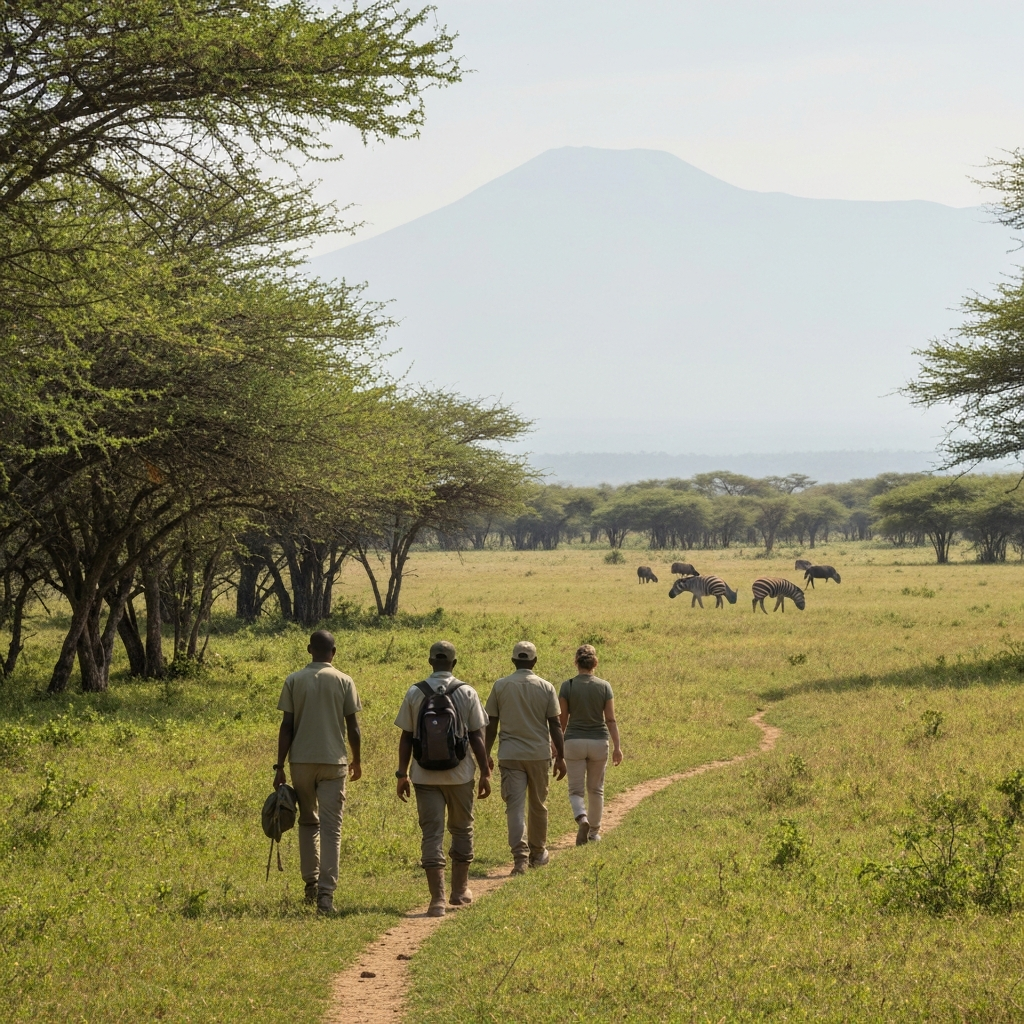
One of Arusha National Park's most distinguishing features is its emphasis on activities beyond the standard vehicle-based game drive. The park's relatively low predator density, particularly on Mount Meru and around the Momella Lakes, makes it one of the few places in Tanzania where visitors can experience guided walking safaris.
Walking Safaris: An Intimate Connection with Nature
Walking safaris offer an unparalleled opportunity to connect with the African bush on foot. Accompanied by an armed ranger and a knowledgeable guide, visitors can explore the park's diverse landscapes at a slower pace, observing smaller details often missed from a vehicle. You can track animal spoor, learn about medicinal plants, and truly immerse yourself in the sights, sounds, and smells of the wilderness. Walking safaris are available in various areas of the park, including the Momella Lakes and the lower slopes of Mount Meru, providing different experiences depending on the chosen route. This activity allows for a more personal and engaging encounter with the environment, fostering a deeper appreciation for its intricacies.
Canoe Safaris on the Momella Lakes
For a unique perspective on the park's aquatic life and bird populations, canoe safaris on the Momella Lakes are highly recommended. Paddling gently across the calm waters, you can approach water birds at close range without disturbing them. This offers fantastic photographic opportunities and a serene way to observe hippos basking in the shallows, buffalo drinking at the water's edge, and a dazzling array of waterfowl. The quiet gliding of the canoe allows for an almost meditative experience, surrounded by the sounds of nature.
Climbing Mount Meru: A Challenging and Rewarding Adventure
For the more adventurous traveler, climbing Mount Meru is an unforgettable experience. This challenging trek typically takes three to four days and offers stunning views of the surrounding landscape, including Mount Kilimanjaro on clear days. The climb takes you through diverse vegetation zones, from dense forest to open moorland and rocky alpine terrain. It's a fantastic acclimatization climb for those planning to summit Kilimanjaro and provides a superb wilderness experience in its own right. The park's rangers and guides are essential for navigating the mountain safely and ensuring a successful trek.
Game Drives: Classic Safari Thrills
While walking and canoeing offer unique perspectives, traditional game drives remain a core activity in Arusha National Park. These drives are particularly rewarding around the Ngurdoto Crater rim and in the open plains near the Momella Lakes. The park's accessibility means that these drives can be easily combined with other activities, offering a comprehensive safari experience within a short timeframe.
Planning Your Visit to Arusha National Park in 2026
Visiting Arusha National Park in 2026 offers a fantastic opportunity to experience Tanzania's natural beauty with fewer crowds than some of the more popular national parks. Its proximity to Arusha city and Kilimanjaro International Airport (JRO) makes it an ideal starting or ending point for a Tanzanian safari.
When to Visit
Arusha National Park can be visited year-round, but the best time to visit for optimal wildlife viewing and pleasant weather is during the dry seasons, which generally run from June to October and from December to February. During these months, the vegetation is less dense, and animals tend to congregate around water sources, making them easier to spot. The wet seasons (March to May and November) bring lush green landscapes and fewer tourists, but rain can sometimes make roads impassable and obscure wildlife. Birdwatching is exceptional during the wet season when migratory birds are present.
Getting There
Arusha National Park is conveniently located about 32 kilometers (20 miles) east of Arusha city. From Arusha, you can hire a taxi or arrange transport through a tour operator. The journey takes approximately 45 minutes to an hour. Kilimanjaro International Airport (JRO) is about 60 kilometers (37 miles) from the park entrance, making it easily accessible for international travelers.
Accommodation
Accommodation options in and around Arusha National Park range from budget-friendly campsites to comfortable lodges and luxury tented camps. Staying inside the park offers the advantage of early morning and late evening game viewing opportunities. Popular options include lodges with stunning views of Mount Meru and the surrounding landscape. Many visitors also choose to stay in Arusha city, which offers a wider range of hotels and guesthouses, and take day trips into the park.
Essential Tips for Your Visit
- Park Fees: Be aware of the park entrance fees and any activity fees (walking safari, canoe safari). These are typically paid per person per day.
- Guides and Rangers: For walking safaris and any hikes on Mount Meru, always use official park guides and rangers. They are essential for safety and offer invaluable knowledge.
- What to Pack: Pack light clothing suitable for warm weather, a rain jacket (even in the dry season), sturdy walking shoes, insect repellent, sunscreen, a hat, and binoculars.
- Photography: Bring a good camera with a zoom lens to capture the wildlife and stunning landscapes. Remember to respect the animals and maintain a safe distance.
- Respect Wildlife: Always follow the instructions of your guide and maintain a safe distance from animals. Never feed wildlife.
- Hydration: Drink plenty of water to stay hydrated, especially during game drives and hikes.
The Importance of Conservation in Arusha National Park
Like all protected areas, Arusha National Park faces challenges related to conservation. The park plays a crucial role in protecting biodiversity and maintaining ecological balance in the region. Conservation efforts focus on anti-poaching patrols, habitat management, and community engagement. Supporting sustainable tourism practices is vital for the long-term preservation of this natural treasure.
The park serves as a vital corridor for wildlife movement and helps to protect the headwaters of rivers that supply water to surrounding communities. The ongoing work by the Tanzania National Parks Authority (TANAPA) and various conservation organizations ensures that Arusha National Park remains a sanctuary for generations to come. For more information on conservation efforts in Tanzania's national parks, you can refer to the Tanzania National Parks Authority website.
Frequently Asked Questions about Arusha National Park
What are the main attractions in Arusha National Park?
The main attractions include the Momella Lakes, known for their birdlife and scenic beauty; the Ngurdoto Crater, a wildlife-rich volcanic caldera; and the slopes of Mount Meru, offering hiking opportunities and diverse montane forests. The park is also famous for its large population of giraffes and the unique experience of walking safaris.
Is Arusha National Park safe for walking safaris?
Yes, Arusha National Park is considered one of the safest places in Tanzania for walking safaris. This is primarily due to its relatively low density of dangerous predators like lions and cheetahs compared to other parks. However, all walking safaris are conducted with armed rangers and experienced guides for maximum safety.
Can I see Mount Kilimanjaro from Arusha National Park?
On clear days, Mount Kilimanjaro is often visible from certain viewpoints within Arusha National Park, particularly from the slopes of Mount Meru and the eastern side of the park. The views are particularly spectacular during sunrise and sunset.
What kind of wildlife can I expect to see in Arusha National Park?
You can expect to see a variety of mammals including giraffes, elephants, buffalo, zebras, wildebeest, warthogs, various antelope species (dik-diks, waterbucks, reedbucks), hippos, and monkeys (colobus and Sykes'). While predators like leopards and hyenas are present, they are rarely seen. The park is also a haven for birdwatchers, with over 400 species recorded.
How does Arusha National Park compare to Serengeti National Park?
Arusha National Park is much smaller and offers a more intimate wildlife experience with diverse landscapes and opportunities for walking and canoeing. Serengeti National Park is vast, renowned for the Great Migration, and offers more extensive game drives with higher concentrations of large herds and predators. Arusha is ideal for shorter visits and unique activities, while Serengeti is for those seeking the quintessential large-scale migration safari.
What is the best way to book a safari to Arusha National Park?
The best way to book a safari is through a reputable tour operator specializing in Tanzanian safaris. They can arrange transportation, accommodation, park fees, and activities like walking safaris and Mount Meru climbs. Many operators offer packages that can be customized to your interests and budget. You can find lists of accredited operators through organizations like the Tanzania Association of Tour Operators (TATO).