
Zanzibar Travel Guide for Americans: Everything You Need to Know
Zanzibar is one of those places that sounds almost too good to be true: white sand, turquoise water, spice markets, UNESCO coral stone alleys, and reef turtles gliding past your snorkel. It is real, and it delivers. This complete Zanzibar travel guide for American tourists covers every friction point you'll hit before booking, visa rules, the current safety picture, which beach is actually worth it, and what everything costs. American travelers planning their first visit tend to ask the same questions: Do I need a separate visa for the island? Is it safe right now? Which beach looks the same in photos but isn't? Every answer is here, with the specifics you actually need. And if you're already thinking about combining Zanzibar with a mainland Tanzania safari, that combination is worth building from the start rather than bolting on later.
Getting into Zanzibar as a U.S. Citizen: Entry & Visa Requirements
The visa process is straightforward once you know the rules, but two things consistently catch Americans off guard before they arrive.
The $100 Visa and How to Apply Before You Land
U.S. passport holders need a Tanzania eVisa, and there is no $50 single-entry option available due to a reciprocal fee arrangement. Americans pay $100 for a multiple-entry visa valid for 12 months with stays up to 90 days per visit. Apply through the official Tanzania Immigration portal at visa.immigration.go.tz, and expect a processing window of three to ten business days. Apply at least two weeks before departure to give yourself a buffer. The same visa covers both mainland Tanzania and Zanzibar, so no separate island permit is required when you arrive at the airport.
Mandatory Travel Insurance Most Americans Don't Know About
Here is where most first-timers get tripped up. Zanzibar requires all foreign visitors to hold a policy from the Zanzibar Insurance Corporation (ZIC) before arrival. Your standard U.S. travel insurance policy does not satisfy this requirement, you must purchase ZIC coverage separately as part of your pre-departure prep. Check the official ZIC website for current rates and purchase instructions. This is non-negotiable at immigration, so treat it the same way you treat your visa application.
Documents You Need at Immigration
Bring your passport with at least six months of validity remaining, a printed copy of your eVisa grant notice, a return or onward ticket, proof of accommodation, and proof of roughly $50 per day in available funds. Having everything organized and printed, rather than buried in your email app, tends to move you through the queue faster.
 When to Go and What the Current Safety Picture Looks Like
These are the two things every American Googles before booking a Zanzibar trip, and both deserve direct, honest answers.
The Best Seasons to Plan Your Trip Around
Zanzibar has two dry seasons: June through October and December through February. Both windows deliver reliable sunshine, calm seas, and excellent visibility for snorkeling and diving. The long rains from March through May and the shorter November rains bring overcast skies and intermittent downpours, so if guaranteed beach weather is the priority, stick to the dry windows. September is a particularly strong choice, offering dry-season reliability with thinner crowds and prices that typically run lower than the July and August peak, worth factoring into your Zanzibar travel budget when comparing dates.
What the U.S. State Department Level 3 Advisory Actually Means for Tourists
The U.S. State Department elevated Tanzania to a Level 3 "Reconsider Travel" advisory in late 2025, and it remains in place. The specific risks cited include petty crime and opportunistic theft in tourist areas, road safety on unpaved routes, and occasional civil unrest linked to political events. These are real considerations, not bureaucratic noise. That said, Nungwi, Stone Town, and Paje continue to draw heavy international visitor traffic, and most travelers complete their trips without serious incident. Working with a reputable, locally licensed operator significantly reduces exposure to the risks that most affect independent travelers moving around without guidance.
Practical Safety Habits That Make a Real Difference
Avoid walking alone after dark in Stone Town's narrower alleys, use arranged transport rather than unmarked taxis, and keep a copy of your eVisa grant notice separate from your passport. Make sure your travel insurance includes medical evacuation coverage, especially important given that Zanzibar's medical infrastructure is limited compared to what most Americans are used to at home.
The Beaches: How Nungwi, Kendwa, and Paje Actually Compare
Most first-timers want to know which beach to base themselves at. The honest answer is that the right beach depends on what kind of traveler you are.
Nungwi and Kendwa: The North Coast for Swimmers Who Hate Tidal Surprises
The key practical advantage of the north coast is simple: no dramatic tidal extremes. You can walk into the water at any hour without discovering that the sea has retreated 300 meters during low tide. Nungwi is the more developed village, with restaurants, boat trip operators, and a lively evening atmosphere. Kendwa, about 15 minutes south along the beach, draws a slightly calmer crowd and hosts a well-known full moon beach party for travelers who want that experience. The Baraka Natural Aquarium in Nungwi offers up-close sea turtle encounters in a controlled lagoon setting, a good option for those who prefer their wildlife out of the open ocean.
Paje and the East Coast: Wilder, Windier, and Perfect for the Right Traveler
Paje is honest about its trade-offs: the tides here are dramatic, and at low tide the water pulls back significantly. But the raw beauty of the east coast, the uncrowded stretches of beach, and the kitesurfing culture make it genuinely worth it for travelers who don't mind working around tide timing. Paje is also the gateway to a natural sinkhole that functions as a sea turtle sanctuary, and nearby Bwejuu offers an even quieter alternative for those wanting near-total solitude.
A Quick Word on Tidal Timing Before You Book
If swimming is your main reason for coming, the north coast is the safer bet. The east coast rewards the extra planning effort, download a tide chart app before you arrive so you can schedule beach time around high tide. Choose based on your actual priorities, not the photos.
What to Actually Do Beyond Lying on the Beach
Zanzibar's beaches earn the hype, but the island's real depth is in its history, reefs, and flavors. A week spent only on the sand misses a significant portion of what makes this place worth the long-haul flight from the U.S.
Stone Town: UNESCO History You Can Walk Through in a Morning
Start early, before 10 AM, when the coral stone alleys are still cool and navigable. The essential stops are the Old Fort built in 1699, the Slave Market memorial at the Anglican Cathedral, the House of Wonders, and the narrow alley where Freddie Mercury was born. End the morning with a traditional dhow sunset sail from the Stone Town waterfront. It is a well-worn recommendation, but it genuinely delivers every time.
Mnemba Atoll and Where to See Sea Turtles Up Close
For snorkeling, Mnemba Atoll is the premier destination. Accessible by boat from Matemwe, the atoll offers sea turtle encounters on nearly every visit. Prison Island is worth a half-day for its giant tortoises, and Jozani Forest delivers reliable red colobus monkey sightings for travelers who want wildlife experiences that don't involve the ocean, solid alternatives on any day you want to skip the water.
How Combining Zanzibar with a Tanzania Safari Changes the Whole Trip
Many American travelers flying this far want more than a beach week, and the Serengeti-to-Zanzibar combination is one of the most rewarding itineraries in East Africa. Kilimanjaro Local Trips builds Zanzibar beach extensions directly into their Tanzania safari packages, so you finish a Serengeti wildlife circuit and fly straight to the island without juggling separate bookings across multiple operators. For first-time visitors planning a longer East Africa trip, that single-operator approach removes the logistics headache and ensures every piece of the journey connects cleanly. Reach out to confirm current package availability and what's included.
2026 Zanzibar Travel Costs: What American Travelers Realistically Spend Per Day
Budgets vary widely in Zanzibar, but the ranges are predictable once you know which tier you're traveling in.
Budget travelers spending $50 to $90 per day can cover basic guesthouses at $15 to $40 per night, street food and local restaurants at $10 to $25 per day, shared daladala minibuses for transport, and group day trips. Even on a tight budget, a snorkeling trip to Prison Island or Mnemba is achievable with some planning.
Midrange travelers at $150 to $250 per day get boutique beach lodges at $50 to $150 per night, sit-down restaurants mixing Swahili and international menus, private transfers between destinations, and one paid activity daily. Most first-time American visitors land in this range.
Upscale travelers should plan for $300 to $500 or more per day, which covers private villas, luxury resort rates that can reach $1,000 per night, fine dining, and exclusive excursions with private guides. USD is widely accepted at tourist-facing businesses across the island, but carry small denominations for local markets and daladala fares where exact change matters.
Zanzibar Packing List 2026 and Health Prep Before You Leave the U.S.
Two health steps need to be sorted before departure; the rest is practical common sense that follows from the climate and the culture.
Vaccines and Malaria Prevention to Sort Before Departure
The CDC strongly recommends Hepatitis A and Typhoid for all travelers to Zanzibar, schedule both at least two weeks before departure to allow full effectiveness. Malaria prophylaxis is essential because Zanzibar sits squarely in a malarial belt. The three main medication options are Malarone (Atovaquone-proguanil), Doxycycline, and Mefloquine. Each has different start times, side-effect profiles, and cost points, so consult your doctor to choose based on your health history and trip length rather than price alone. Yellow fever vaccination is only required if you're transiting through an endemic country en route to Tanzania, not for direct arrivals from the United States.
Packing for the Culture and the Climate
Zanzibar is a devout Muslim society, and Stone Town has a posted dress code with fines for non-compliance. Pack light, breathable clothing that covers shoulders and knees for time spent in town, markets, and villages. On the beach, resort-style clothing is fine, but keep a lightweight sarong or scarf accessible for easy coverage when moving between beach and street. Your Zanzibar packing list should include reef-safe sunscreen, DEET-based insect repellent at 30 to 50 percent concentration, a reusable water bottle with a filter, and a printed copy of your eVisa grant notice. The repellent is not optional: apply it at dusk and dawn when mosquito activity peaks.
You're Closer to Being Ready Than You Think
Zanzibar is genuinely one of the world's great travel destinations, and American tourists who do the prep work get rewarded with a trip they talk about for years. The island over-delivers on almost every front once the logistics are handled. Use this Zanzibar travel guide for Americans as your pre-departure checklist and you won't be caught off guard at immigration or on arrival.
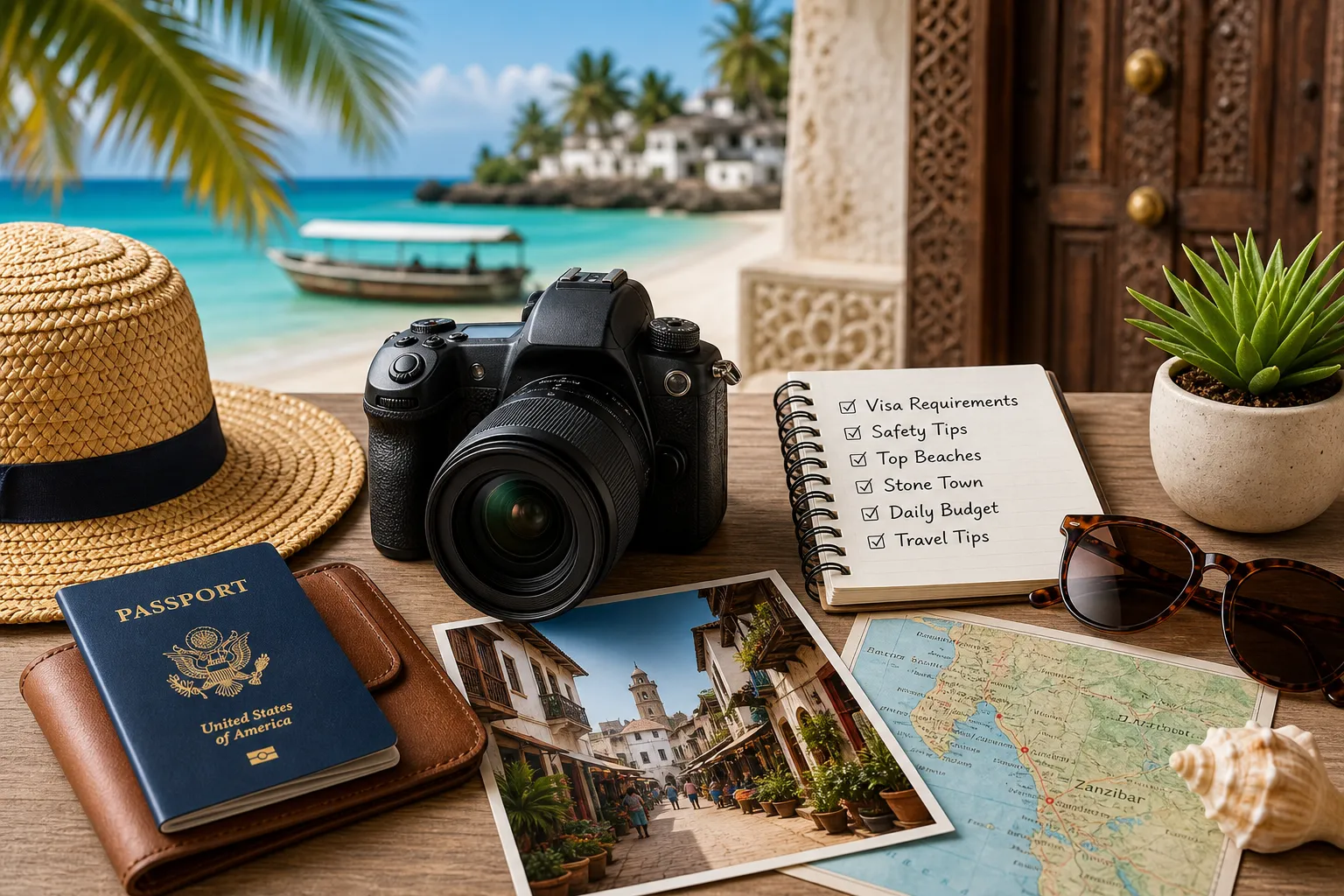
Four things require action before you fly: apply for the eVisa at visa.immigration.go.tz at least two weeks out, purchase your ZIC insurance separately from your standard travel policy, book a malaria prophylaxis consultation with your doctor, and lock in your accommodation and itinerary before peak season fills the best options. Everything else can be figured out on the ground.
If you're combining Zanzibar with a Serengeti safari or a Kilimanjaro climb, the long-haul flight from the U.S. earns its value many times over. Kilimanjaro Local Trips builds exactly that kind of end-to-end East Africa itinerary, handling the mainland safari and the beach extension in a single package. Reach out directly to start mapping your trip. The sooner you plan, the more options you have.